


Most campaigns overcomplicate social video.
They assume they need fancy equipment, a viral idea, or a perfectly scripted message. In reality, the fastest way to break into social video is much simpler:
Follow templates.
Familiar formats that audiences already recognize and instinctively understand. When you plug your campaign message into one of these containers, you lower the friction for engagement and increase the odds that viewers will actually watch.
Here are the social video templates campaigns should be using right now.
Unboxing
At its core, an unboxing video invites the audience into a moment of anticipation. The camera rolls as someone opens a package and reacts in real time. The viewer shares in the discovery.
For campaigns, this format is ripe with opportunity:
- Unboxing campaign yard signs or new merch
- Opening an endorsement letter
- Revealing a policy booklet or legislative report
- Highlighting a product made in your state or district
- Showcasing a small business tied to a policy priority
This format works because it triggers curiosity. People want to see what’s inside. Instead of announcing something with a press release, let your audience experience it with you.
Get Ready With Me (#GRWM)
Originally popularized by beauty creators, “Get Ready With Me” videos show someone preparing for their day while talking to the camera. GRWM content feels unscripted and conversational. It lowers the barrier between creator and viewer.
Campaign applications include:
- “Get Ready With Me for a committee hearing.”
- “GRWM before knocking 500 doors.”
- “GRWM before my first debate.”
- “GRWM for a late-night vote at the capitol.”
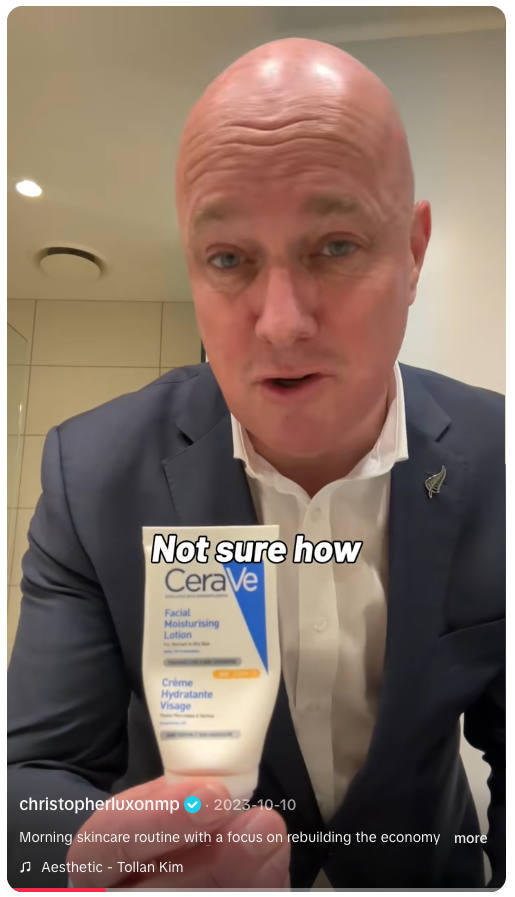
Instead of delivering a polished message behind a lectern, you’re speaking while putting on a tie or reviewing notes at your kitchen table. In a media environment saturated with ads, this kind of informal access stands out.
POV (Point of View)
POV videos place the viewer inside a scenario. Instead of explaining an issue abstractly, you frame it through experience:
- “POV: You’re a small business owner reading this new tax proposal.”
- “POV: You just opened your property tax bill.”
- “POV: You’re waiting in line to vote.”
This format transforms policy into story. For down-ballot races especially, POV videos can translate complex local issues into relatable, everyday experiences.
Explain It Like I’m 5 (#ELI5)
Campaigns consistently overestimate how much voters understand about the legislative process. The “Explain It Like I’m 5” format solves that problem.
It strips jargon away and breaks issues into their simplest components:
- “ELI5: What this spending bill actually does.”
- “ELI5: How early voting works.”
- “ELI5: What a primary election is.”
This format builds trust. Voters reward clarity and in an era where misinformation spreads quickly, the campaigns that explain clearly – and calmly – gain credibility.
Reaction Video
Reaction videos are native to modern social platforms.
You respond directly to:
- A breaking news headline
- A debate clip
- A viral video
- An opponent’s comment
The format is simple. Split screen or selfie camera. Direct commentary. The advantage is speed. Reaction content thrives on timeliness. For campaigns, this is a powerful way to insert your candidate into the broader narrative without needing traditional media coverage.
Conclusion
Using social media effectively for your campaign means mastering familiar formats. Social video templates provide structure, speed, and built-in audience understanding.
Treat these formats as containers for your message, not rigid scripts. When you align your content with how voters already consume media, you dramatically increase the odds that they’ll watch, engage, and remember.