


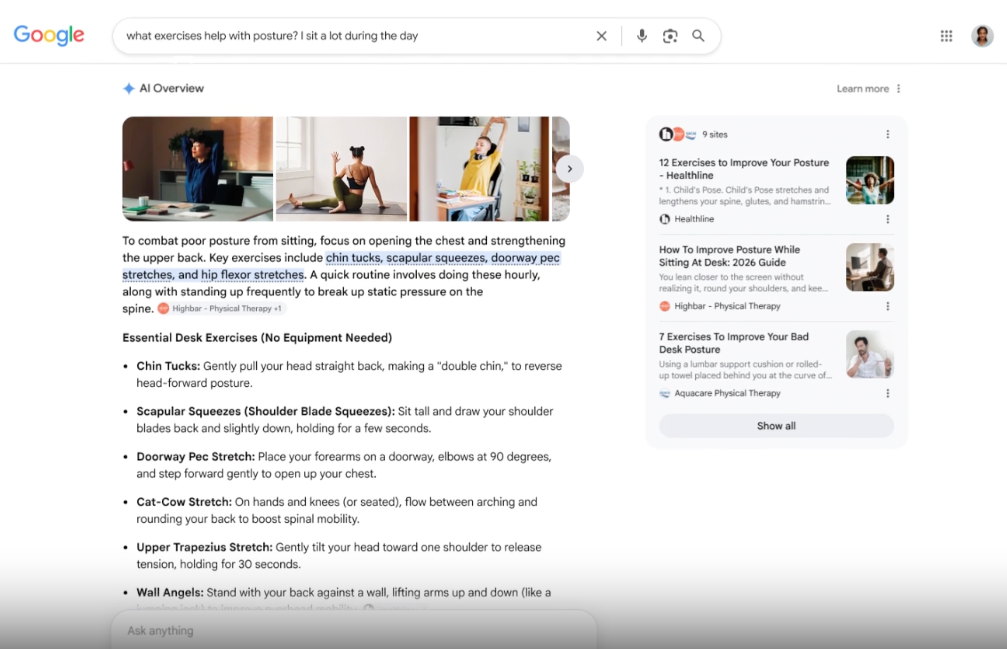
Last fall we highlighted the rise of Google’s AI-driven zero-click results and what it means for campaigns. Voters are increasingly getting their answers right from the results page without having to click through to your website. Google just announced new changes that will continue to transform how voters search for and interact with campaigns online.
AI Mode is now default for everyone so instead of typing a few keywords, a voter just describes what they want and get a synthesized answer back. Google also introduced agents that monitor the web on a voter’s behalf without them having to initiate a search at all.
These are big changes for how a voter gets a first impression of a candidate.
Fewer, Better Clicks
The reality is that traffic from Google is going to keep shrinking and there’s nothing that can change that. AI-synthesized answers take away many of the reasons a voter was visiting your site.
But that means the visitors you do get are more important than ever before. They’re likely there to take a specific action like signing up to volunteer or make a donation. It’s essential that your site is fast and works properly.
The New Search Box
The Google Search box changed for the first time in 25 years and the AI mode is now writing the first thing most voters read about your candidate. It pulls that summary from across the web from multiple different sources.
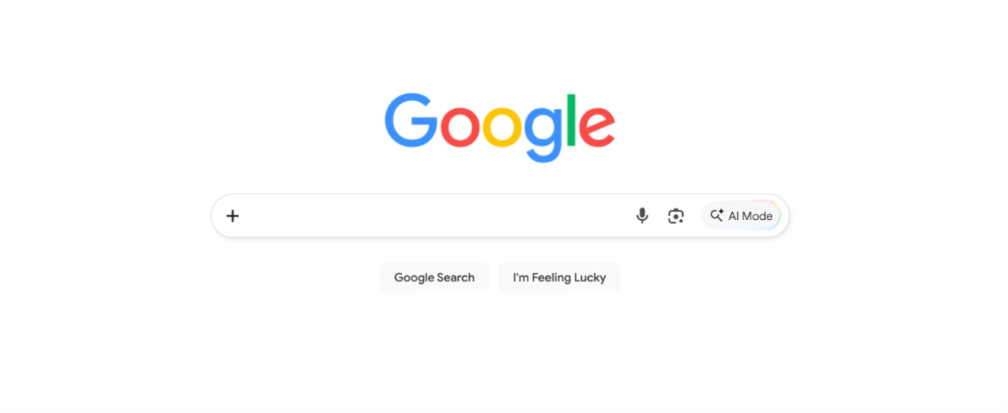
Campaigns should treat this synthesized answer as your new landing page and there’s a real risk that Google could be working with an outdated bio or an opponent’s framing. That’s not the impression you want a voter walking away with. We’ve explained how to find out what AI is saying about your campaign, where it’s getting its information, and what you can do about it in a previous article.
Always-On Agents
Perhaps the bigger shift is Google’s new “information agents” that don’t wait for a voter to perform a search. Instead they’ll update a user with news from the web and social media about your campaign, elections, and the issues they care about. These are limited to paid subscribers for now, but 24/7 monitoring for everyone is on the horizon.
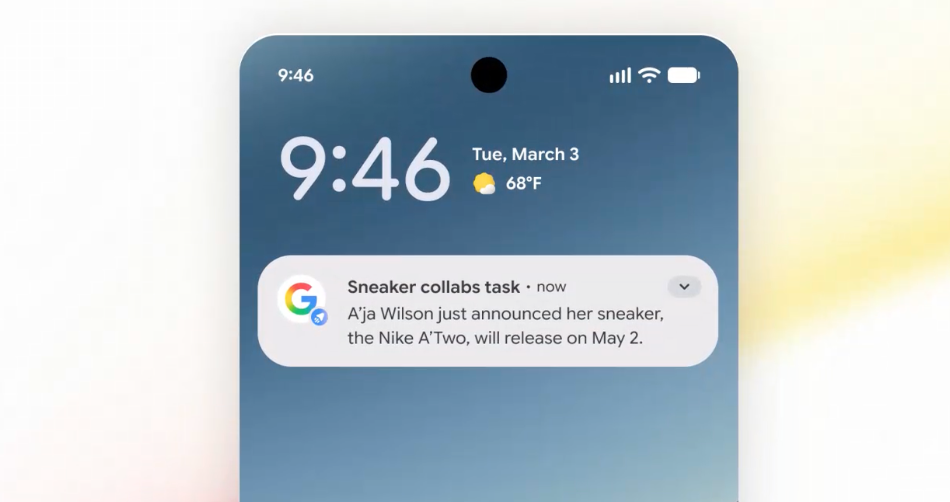
So, when an issue or controversy emerges, it’s critical that your side of the story is present on your website and other channels.
Conclusion
60% of voters used Google during the 2024 election to look up candidates and how to vote, and now Google is answering more of those questions on its own without sending them to your site. The role of the campaign website is still more important than ever to ensure that AI’s synthetic answers are getting the most accurate information possible.